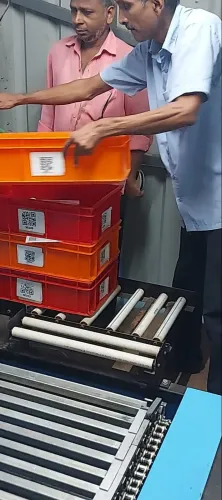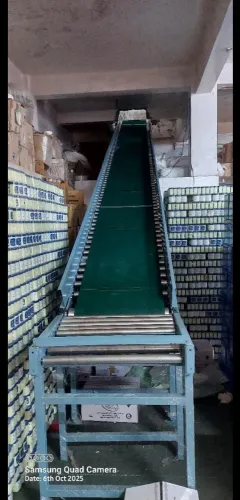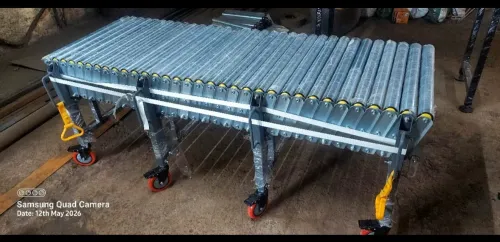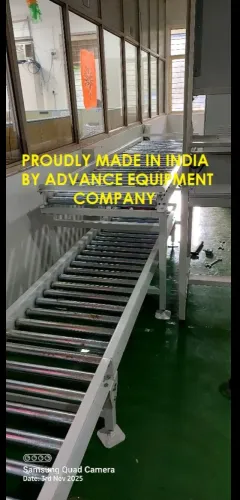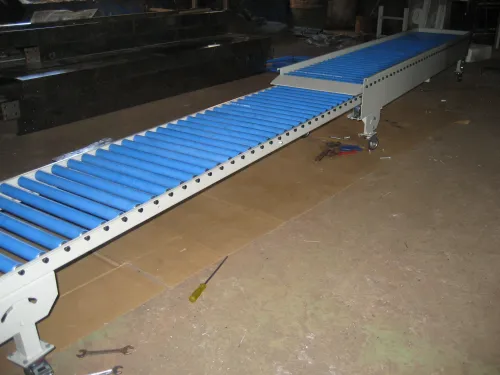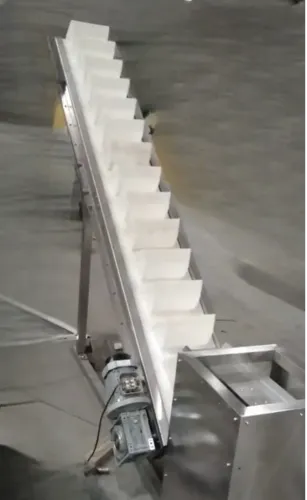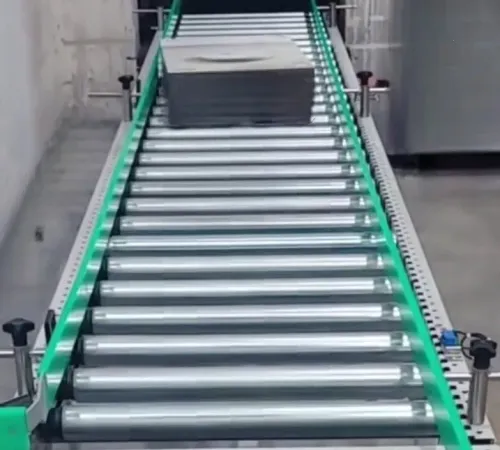

Belt conveyors are widely used in various industries for transporting materials efficiently and continuously over short or long distances. Here are the main uses of belt conveyors:
🔧 Industrial and Manufacturing Uses
Assembly lines – Used in factories for moving products through various stages of production.
Automobile industry – For moving parts and components during car manufacturing.
Packaging lines – Transport packaged goods for sealing, labeling, or boxing.
⛏️ Mining and Quarrying
Transport of raw materials – Move coal, ore, gravel, and other mined materials.
Overburden removal – Used to carry soil and rock that lies above a mineral deposit.
🌾 Agriculture
Handling grain and feed – Transport grains, seeds, and animal feed in farms and silos.
Harvesting operations – Move crops from the field to processing areas.
🚢 Ports and Shipping
Bulk cargo loading/unloading – Transfer goods like coal, minerals, or grain from ships to storage.
Container handling – Move packages and cargo efficiently in logistics hubs.
🏗️ Construction
Concrete transport – Belt conveyors carry wet concrete to pouring locations.
Aggregate transport – Used for sand, gravel, and other building materials on-site.
🏭 Food and Beverage Industry
Food processing – Used in bakeries, meat processing plants, and bottling factories.
Sanitary transport – Conveyors designed with hygienic materials to meet food safety standards.
🧼 Recycling and Waste Management
Sorting lines – Convey waste materials through manual or automated sorting systems.
Composting and waste handling – Transport of organic or solid waste.
🏬 Warehousing and Distribution
Order fulfillment – Move packages and products for picking, packing, and shipping.
Automated storage systems – Integrated with robotics in smart warehouses.
🔧 Industrial and Manufacturing Uses
Assembly lines – Used in factories for moving products through various stages of production.
Automobile industry – For moving parts and components during car manufacturing.
Packaging lines – Transport packaged goods for sealing, labeling, or boxing.
⛏️ Mining and Quarrying
Transport of raw materials – Move coal, ore, gravel, and other mined materials.
Overburden removal – Used to carry soil and rock that lies above a mineral deposit.
🌾 Agriculture
Handling grain and feed – Transport grains, seeds, and animal feed in farms and silos.
Harvesting operations – Move crops from the field to processing areas.
🚢 Ports and Shipping
Bulk cargo loading/unloading – Transfer goods like coal, minerals, or grain from ships to storage.
Container handling – Move packages and cargo efficiently in logistics hubs.
🏗️ Construction
Concrete transport – Belt conveyors carry wet concrete to pouring locations.
Aggregate transport – Used for sand, gravel, and other building materials on-site.
🏭 Food and Beverage Industry
Food processing – Used in bakeries, meat processing plants, and bottling factories.
Sanitary transport – Conveyors designed with hygienic materials to meet food safety standards.
🧼 Recycling and Waste Management
Sorting lines – Convey waste materials through manual or automated sorting systems.
Composting and waste handling – Transport of organic or solid waste.
🏬 Warehousing and Distribution
Order fulfillment – Move packages and products for picking, packing, and shipping.
Automated storage systems – Integrated with robotics in smart warehouses.
Keywords